This article may contain affiliate links. If you buy through them, Everyday Vitality Life may earn a small commission at no extra cost to you. Learn more.
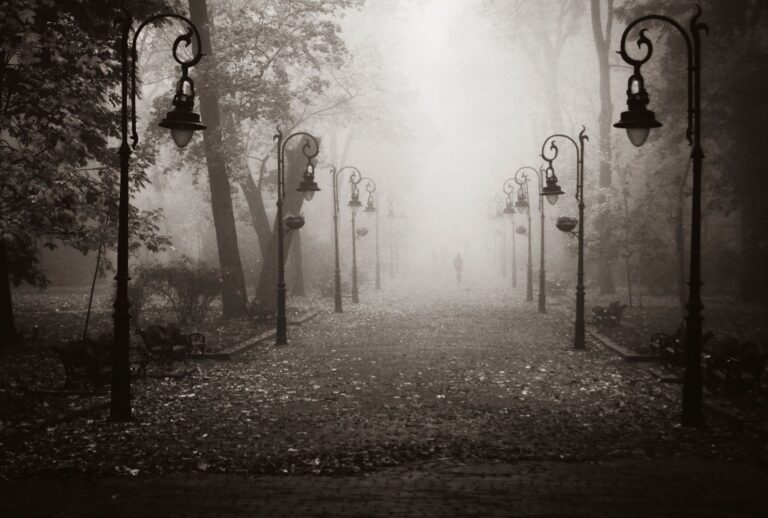
Somewhere around the third week of standard time, the dark starts arriving at five o’clock, and my body treats it like an instruction. Not a suggestion. An instruction. The sky goes the color of a bruise healing, that dull blue-purple, and something in my chest just sits down. I used to think this was a mood. It is not a mood. It is a light switch, and I am the thing being switched.
I noticed it first a few years ago, standing at the kitchen sink washing a single pot, and realizing I had the overhead light on at 4:50 in the afternoon, which felt wrong in my hands even as I did it. Like I was cheating some rule about when lights are supposed to come on. The water was too hot. I remember that specifically, because I kept adjusting the temperature down and it kept feeling too hot anyway, which is one of those small sensory clues that something else is off. When my hands can’t find comfortable, it’s rarely about the water.
The particular heaviness of five o’clock dark
There’s a difference between the dark of 9pm, which feels earned, like the day paid for it, and the dark of 5pm, which feels stolen. My shoulders know the difference before my brain does. By stolen-dark, I mean my shoulders come up toward my ears without me asking them to, and my jaw sets, and I start moving through the apartment a little slower, a little more like I’m wading.
The couch becomes a gravitational object around 5:15. Not because I’m tired in the good, productive-day way. It’s a heavier tired, closer to the floor. I’ll sit down to just check my phone for a second and forty minutes later I’m still there with one shoe off, the room gone fully dark except for the screen light on my face, and I genuinely could not tell you what happened to the time. The dark ate it.
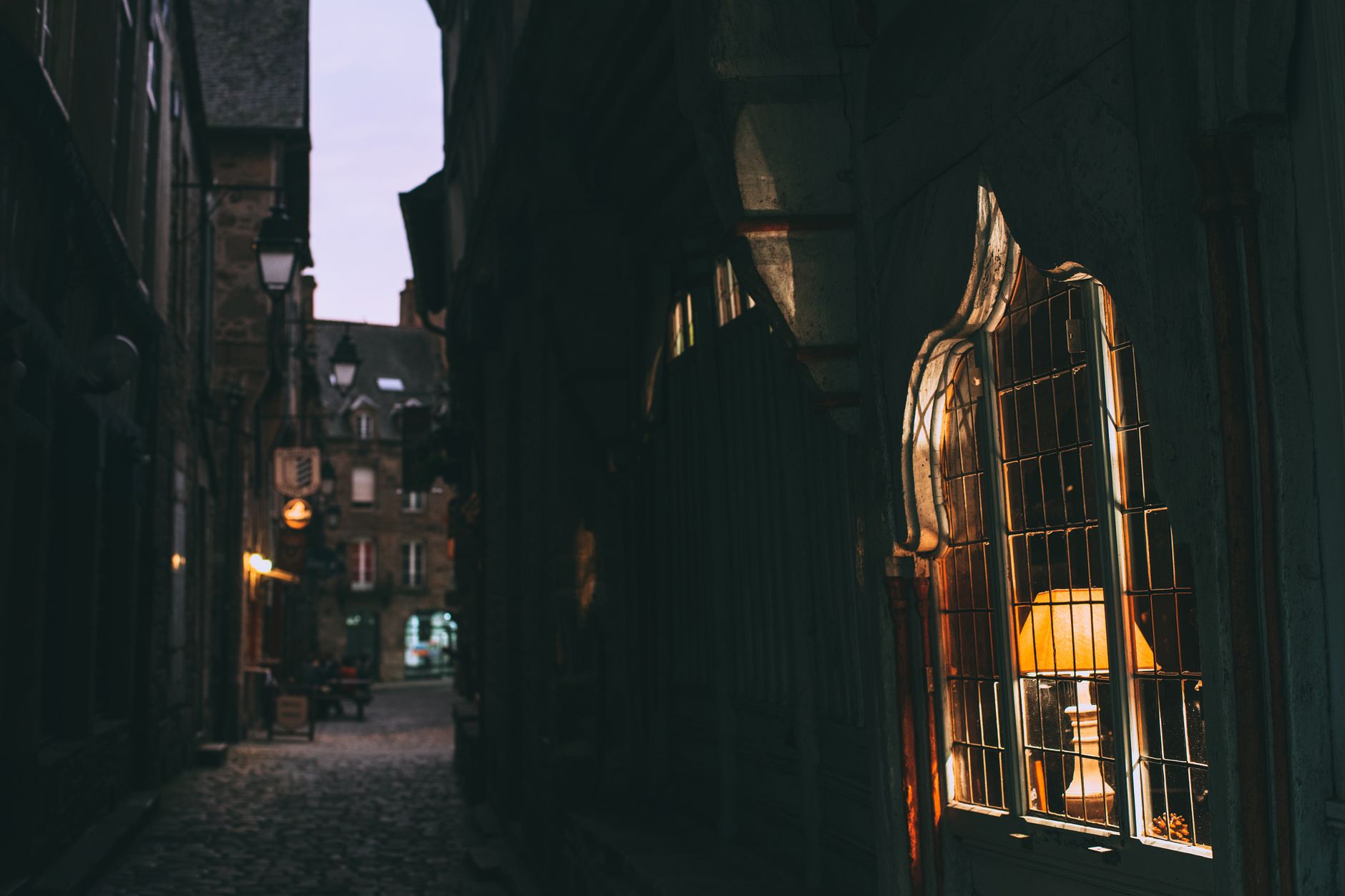
What I’ve learned, slowly and without much grace, is that the actual antidote isn’t more coffee or a pep talk. It’s light. Real light, or something trying hard to be real light. I keep a lamp by the door now, the kind with a warm bulb, and I turn it on the second I walk in, before I even take my coat off. That five seconds of delay matters more than it should. If I sit down first and deal with the lamp later, later never comes and I’m back on the couch in the dark with one shoe off.
The dark doesn’t ask permission. It just arrives, and my body answers before I’ve decided how I feel about it.
What the cold does that the dark doesn’t
The dark gets blamed for everything this time of year, but the cold does its own separate damage, and I think we conflate them because they show up together. Cold makes my hands stiff in a way that changes how I do small tasks. Buttoning a coat. Turning a key. Opening a jar. Each of those takes maybe two extra seconds, and two extra seconds times every small task in a day adds up to a kind of low-grade friction that wears on you without ever announcing itself as fatigue.
I’ve started noticing that my energy dips are worse on the days I’ve been cold longer, not just darker. There’s a stretch between getting out of a warm car and getting into a warm building where the cold really gets into the muscles of my neck and upper back, and I carry that tension for hours afterward without realizing where it came from. By evening my shoulders ache and I assume it’s from sitting at a desk all day, but it’s really from thirty seconds of wind at 8am.
The small things that actually shift it
- Turning on a warm-colored lamp the moment I walk in the door, before anything else
- Standing by a window for a few minutes in whatever daylight is left, even in the cold, coat on
- Keeping a scarf on the hook by the door instead of buried in a drawer, so the two extra seconds of friction disappear
- Eating dinner earlier, closer to when there’s still a little light in the sky, instead of waiting until it’s fully black outside
- Not fighting the couch entirely, just moving it fifteen minutes later, after the lamp is on and dinner is started
None of these fix the actual problem, which is that the sun sets at 4:47pm and there is nothing I can personally do about that. But they change how my body receives the dark. There’s a difference between dark that arrives while I’m sitting under warm light with a pot on the stove, and dark that arrives while I’m still in my coat standing in a cold, unlit room. The second one feels like defeat. The first one just feels like evening.
The mornings tell on the evenings
I didn’t expect the mornings to matter this much, but they do. On the days I actually get outside in the first hour of daylight, even for ten minutes, even just standing on the step with coffee, the 5pm crash softens. Not gone. Softer. Like the dip still happens but it’s a slope instead of a cliff.
On the days I skip that, days when I go straight from bed to desk without ever really seeing daylight until it’s already fading, the crash hits harder and earlier, sometimes by 3:30. My eyes get heavy in a specific way, a pressure behind them rather than plain sleepiness, and I start reading the same sentence three times without absorbing it. That’s usually my signal that I skipped the morning light and I’m going to pay for it before dinner.
I want to be careful here, because this isn’t a fix-all and I’m not claiming it is. Some days the low mood and heaviness stick around no matter what I do with lamps and morning walks, and when that happens for more than a week or two, or it starts feeling like something deeper than seasonal heaviness, that’s a conversation for a doctor, not a lifestyle tweak. I’m only describing what the ordinary version of this feels like in my own skin, the version that lifts once the light comes back in spring.
Learning to expect it instead of being surprised by it
The biggest shift for me wasn’t fixing the dark. It was stopping the surprise. Every year I used to act shocked that November felt heavy, like it was a new development, a personal failing. Now I know it’s coming. I know the third week of standard time is when the couch starts pulling harder. I know my hands will feel the cold before my brain registers it as cold. Knowing it in advance doesn’t make the dark lighter, but it means I’m not also fighting the confusion of why I feel this way, on top of feeling this way.
There’s a kind of relief in that. Not solving it, just recognizing it. Oh, there’s the 5pm wall. Hello again. I know you. I’m going to turn on the lamp now.