This article may contain affiliate links. If you buy through them, Everyday Vitality Life may earn a small commission at no extra cost to you. Learn more.
Heat doesn’t tire me the way a long day tires me. A long day is a slow drain, something you can feel happening in real time, hour by hour. Heat is different. Heat empties me from somewhere lower down, somewhere behind the ribs, and it can happen in the space of a ten-minute walk to the car. One minute I’m fine, thinking about what I need at the store. The next minute my thoughts have gone thick and slow, like wading through something, and I can’t remember the second item on my list.
I used to think this was just being out of shape, or not drinking enough water, and both of those things matter, sure. But there’s something else going on that has nothing to do with fitness or hydration charts. It’s that heat asks the body to do a second, invisible job underneath whatever job it’s already doing. Walking to the car isn’t just walking to the car anymore. It’s walking to the car while also managing internal temperature, and that second job eats the energy that would otherwise go toward, say, remembering what’s on a grocery list.
The specific texture of heat-tired
There’s a heaviness in the limbs that shows up first, usually in the arms, oddly, before the legs. My arms feel like they’ve been asked to carry something even when they’re empty. Then it moves into the head, a kind of pressure that isn’t quite a headache but sits in that same general neighborhood, right behind the eyes and across the forehead.
The sweat itself changes the feeling of everything it touches. Clothes that fit fine in the morning feel wrong by afternoon, stuck in places they shouldn’t stick, and I find myself tugging at collars and waistbands in a way that has nothing to do with the clothes actually being uncomfortable and everything to do with my skin being done negotiating with fabric for the day. Cotton against damp skin has a specific drag to it, a resistance, that cool dry cotton doesn’t have.
By late afternoon in real heat, my body isn’t asking for rest so much as it’s asking for permission to stop regulating.
What actually helps, in my experience, has almost nothing to do with what I expected would help. I used to think the fix was pushing more fluids and toughing it out, treating heat exhaustion like a hydration math problem. Water matters, obviously. But the thing that changes how my body feels in real time is temperature contrast. Stepping into shade isn’t a small relief, it’s an actual physiological event. I can feel my shoulders drop the second I cross from sun into shade, like something in my chest exhales before I consciously do.
The parts of the day that shift under heat
- Mid-morning, once the sun is fully up but before peak heat, is the only window my body still feels sharp
- Early afternoon becomes a dead zone where thinking clearly takes visible effort
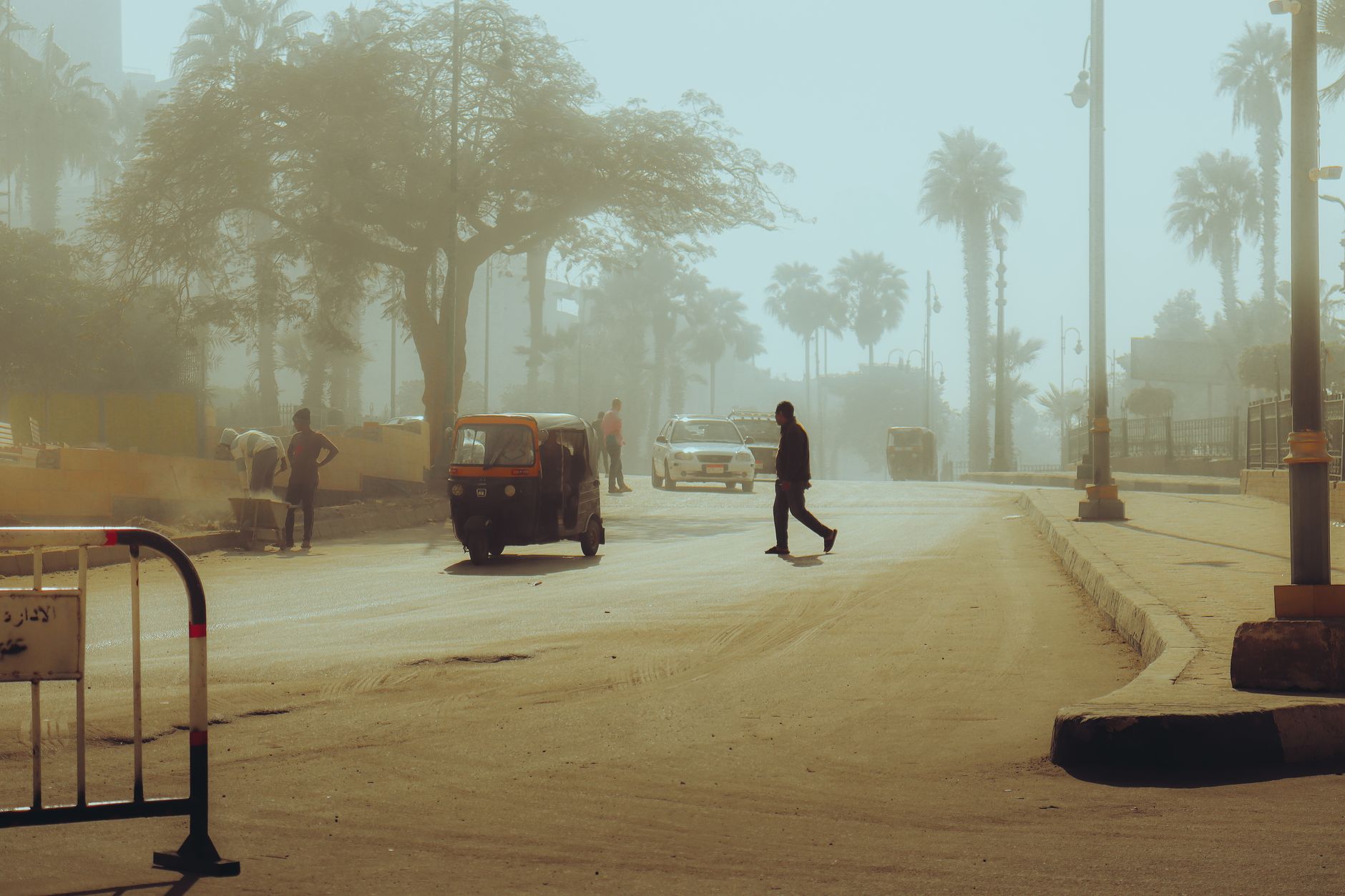
- Evening, once the pavement starts giving its heat back to the air, feels worse than it looks on a thermometer
- Anything that requires standing in direct sun for more than a few minutes costs far more than the minutes themselves suggest
- A cool tile floor under bare feet does more for my head than a glass of water does, which makes no logical sense but is true every time
The kitchen becomes a different room
Cooking in real heat changes entirely. The stove becomes an enemy in a way it isn’t in October. I’ve started noticing that even boiling water for pasta on a ninety-degree evening leaves the kitchen air feeling thick, almost chewable, and my energy for the rest of the evening drops noticeably after even fifteen minutes near an active burner. It’s not really about the extra few degrees in the room. It’s that my body was already working to stay cool, and the stove adds a demand right on top of a system that’s already at capacity.
So dinner shifts. Cold things, things that don’t need heat, things I can eat standing at the counter without committing to a table and a fork and the full ritual of a meal. There’s something almost animal about it, eating a peach over the sink because sitting down to a proper dinner feels like more commitment than the evening has in it. I don’t love this about myself, the sink-eating, but I’ve stopped fighting it in July and August. It’s not laziness. It’s the body choosing the path that costs the least.
The night doesn’t actually let go
What surprised me most, moving somewhere with real summers, was learning that heat exhaustion doesn’t end when the sun goes down. There’s a lag. The walls of the apartment hold the day’s heat for hours, and even after the air outside has cooled, the inside still radiates warmth from the afternoon, and I lie there feeling like the day hasn’t actually finished with me yet.
Sleep in that kind of heat is thinner. I wake up more, not dramatically, just enough that the sleep doesn’t feel continuous, like a rope with too many knots in it. And a night like that stacks directly onto the next day’s heat, so the tiredness compounds instead of resetting. Two or three nights of that in a row and I stop being able to tell whether I’m heat-tired or sleep-tired, because by then they’re the same thing wearing two different names.
If that stacking goes on too long, more than a handful of days, and it starts feeling like dizziness or real confusion rather than ordinary summer sluggishness, that’s not something to just wait out. Heat exhaustion is a real medical thing with real limits, and a doctor is the right call if it’s tipping past the everyday version of feeling slow and thick-headed.
What I do differently now
I’ve stopped scheduling anything that requires sharp thinking for the early afternoon in summer. Not because I’m precious about it, but because I’ve tested this enough times to know the sentences I write at 2pm in August have to be rewritten anyway. Better to do the dishes then, something with my hands, something that doesn’t need the part of my brain that heat borrows.
And I’ve made peace with the cold shower as a tool rather than an indulgence. Thirty seconds of genuinely cold water on the back of my neck does more to reset an afternoon than anything else I’ve tried. It’s not pleasant exactly. But it’s honest, in the way a good hard fact is honest, and it works faster than waiting for the day to just naturally get better on its own.