This article may contain affiliate links. If you buy through them, Everyday Vitality Life may earn a small commission at no extra cost to you. Learn more.
I keep a glass by the sink filled with cold water, and for a long time I only drank it when I was thirsty. Lately I have started drinking it right after meals, not because I am thirsty, but because of what it seems to do to the fog that settles in after eating. It is a small thing, a few swallows of cold water, and yet the effect feels bigger than it should.
The clearest example was after a plate of leftover lasagna, reheated and a little too hot, the kind of meal that usually leaves me half-asleep on the couch within the hour. I ate it, felt the familiar warmth spreading through my chest, and then drank a full glass of cold water almost on impulse. Within a few minutes something in my head shifted. Not fully awake, not sharp, but less underwater. The heaviness in my eyelids eased back a notch.
What actually changes
The most immediate thing I notice is in my mouth and throat, a kind of clean, cold trail that seems to cut through whatever richness is sitting on my tongue. That sounds minor, but the aftertaste of a heavy meal is part of what keeps me feeling weighed down, I think. The cold water seems to reset that, at least temporarily.
Beyond the mouth, there is something happening with my posture. After cold water, I sit up a little straighter without deciding to. My shoulders, which had started to round forward under the weight of the meal, pull back slightly. I cannot explain the mechanism, only the pattern, and it has repeated enough times that I no longer think it is a coincidence.
- A cold, clean feeling replacing the lingering richness on my tongue
- Shoulders and spine straightening slightly without effort
- Eyelids feeling a touch lighter, less like they are being pulled shut
- A small jolt of alertness that fades within a few minutes but takes some of the fog with it
It is not a fix, just a shift
I want to be careful here, because it would be easy to make this sound like a trick that solves the after-meal slump entirely. It does not. If I have eaten a genuinely heavy meal, the tiredness comes back within ten or fifteen minutes, cold water or not. What it seems to do is buy a small window, a few minutes of clarity that I can use to get up, step outside, or at least change position instead of sinking further into the couch.
That window matters more than it sounds like it should. The difference between catching myself at minute two of the slump versus minute twenty is the difference between a short walk around the block and an accidental hour lost to staring at the ceiling.
The cold water is less about the water itself and more about interrupting a pattern before it fully sets in. A pause, a small shock to the system, a chance to reset before the couch wins.
Room temperature water does not do the same thing
I tested this, not scientifically, just by paying attention over a few weeks. Room temperature water after a meal does something too, mostly just relieving thirst, but it does not carry the same alertness with it. The cold seems to be doing real work here, a small physical shock that pulls my attention back into my body instead of letting it drift off with the meal.
Ice water straight from the freezer door is almost too much, honestly. It makes my teeth ache and my stomach clench a little, which is its own kind of unpleasant. What works best for me is water that has been in the refrigerator, cold but not aggressively so, enough to notice without wincing.
Sipping through the meal versus one glass after
I have also started comparing what happens when I sip cold water throughout a meal instead of saving it all for the end. The two approaches feel different in a way I did not expect. Sipping along the way seems to keep the richness from building up as much in the first place, so the fog after the last bite is already smaller before the final glass even shows up. Saving it all for one glass at the end feels more like a reset button, a sharper, more noticeable shift because it arrives all at once instead of trickling in.
Neither approach is wrong, but they solve slightly different problems. On days when I know a meal is going to be heavy from the start, sipping through it seems to soften the landing. On days when I get surprised by how heavy something turns out to be only after I have finished it, the single cold glass at the end works better as a course correction.
Building it into the meal itself
I have started keeping that glass filled before I even sit down to eat, so it is there the moment the plate is empty rather than something I have to get up and pour later, by which point the slump has already started settling in. That timing seems to matter. Drinking the cold water within a minute or two of finishing feels different than reaching for it twenty minutes in, once the heaviness has already taken hold.
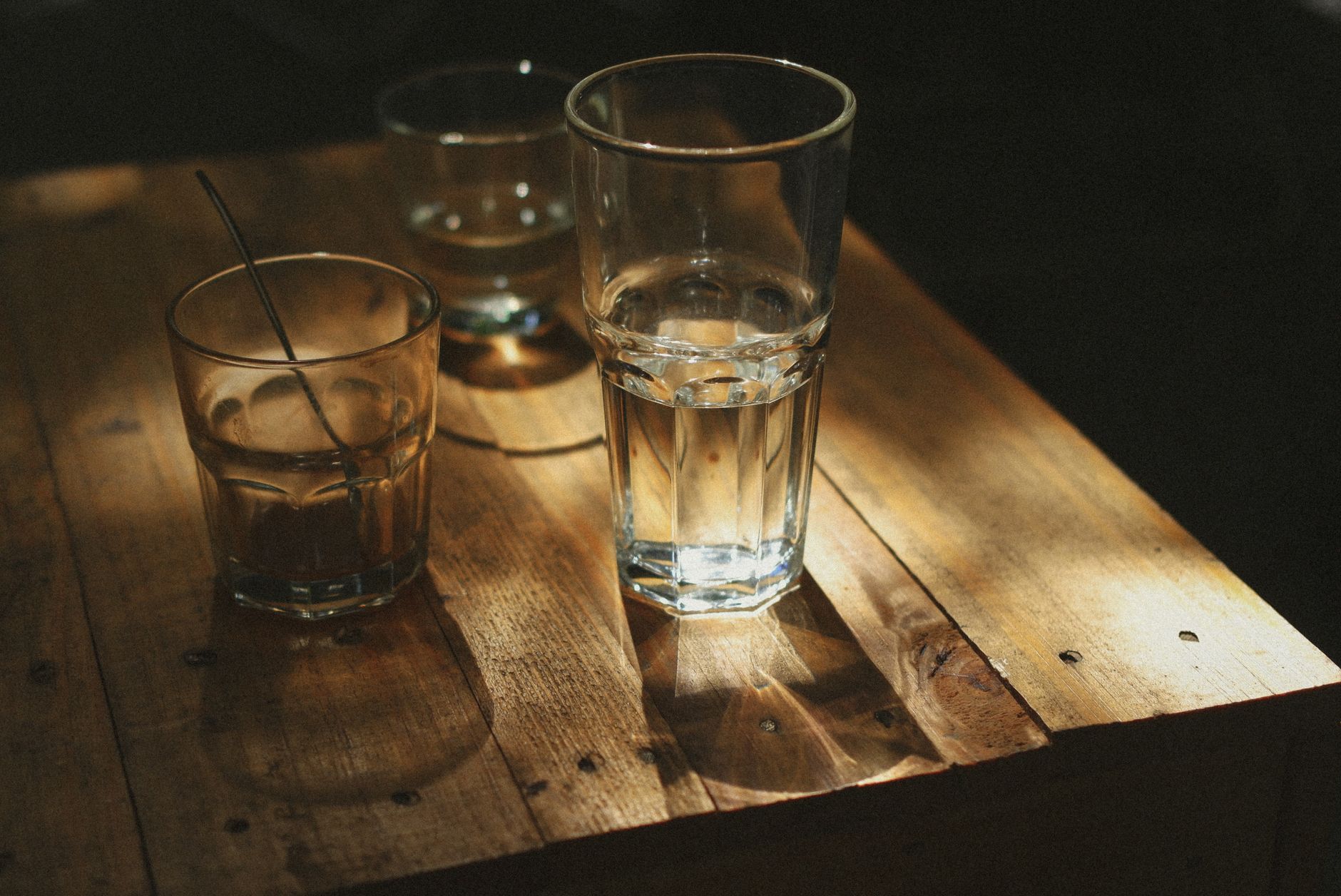
The glass itself matters a little too, oddly enough. A tall glass that holds more water encourages me to actually finish it in a few long swallows, rather than a small cup that gets sipped halfheartedly and abandoned on the counter. There is something about committing to the full glass, feeling the cold travel all the way down, that seems to matter more than just wetting my mouth.
It is a small ritual now, not a solution to anything, just a moment of cold clarity tucked into the end of a meal. Some days it barely registers. Other days, especially after something rich or too hot, it feels like the one thing standing between me and an accidental nap on the couch at two in the afternoon. I do not reach for it because I read that it works. I reach for it because I have felt the difference often enough, in my own shoulders and my own eyelids, to trust it without needing to understand exactly why.