This article may contain affiliate links. If you buy through them, Everyday Vitality Life may earn a small commission at no extra cost to you. Learn more.
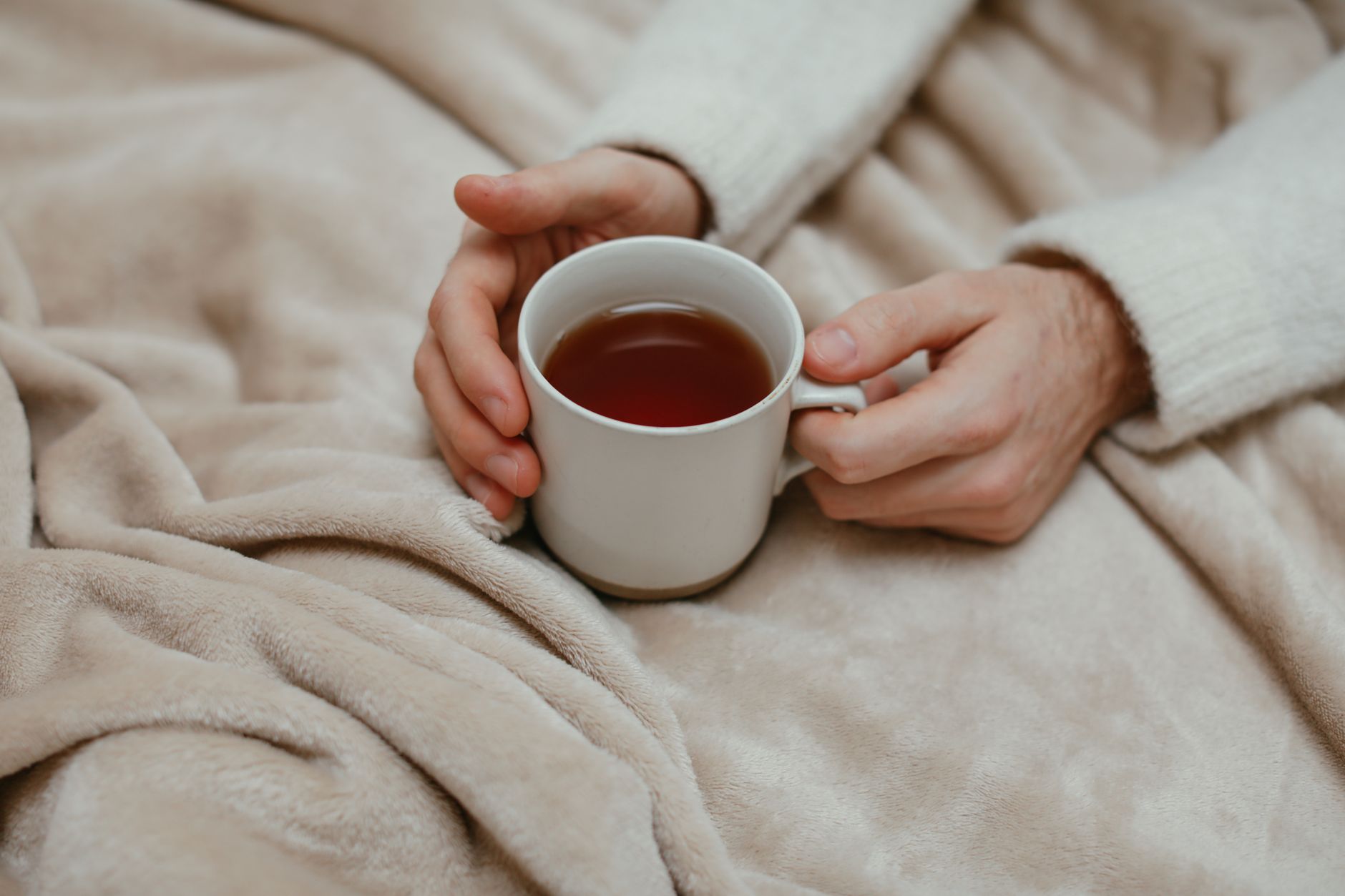
Every year, around the same week in October, my hands start going cold on their own schedule, well ahead of the rest of me. I’ll be sitting at the kitchen table, perfectly comfortable in a t-shirt, and I’ll look down and notice my fingers have gone a little pale, a little stiff, wrapped around a coffee mug not because I want the coffee but because I want the warmth of the mug more than I want the coffee itself. The rest of my body hasn’t gotten the memo yet. Just the hands.
It’s such a small thing, but it’s become one of my most reliable signals that a season is turning. Not the calendar, not the first frost warning on the weather app. My own fingers, going cold at the sink while I do dishes in a kitchen that isn’t actually cold.
The hands as an early warning system
I’ve started paying attention to what my hands do because they seem to know things before I consciously do. Cold hands in a warm room usually means I’m more tired than I’ve admitted to myself, or that I’ve been sitting still too long, or that the season outside has shifted even if the thermostat inside hasn’t caught up to it yet. There’s something almost useful about this, once I stopped being annoyed by it and started reading it like information instead.
The texture of it matters too. It’s not just temperature, it’s a kind of clumsiness that comes with it. Buttons take longer. My grip on a pen feels less certain, and my handwriting gets visibly worse for the first cold weeks of the year until my hands adjust, or until I remember gloves exist, whichever comes first. There’s a particular frustration in fumbling a house key at the front door because my fingers won’t quite cooperate, standing there in the entryway light jabbing at a lock that any warmer version of my hand would have found on the first try.
My hands turn the season before I do. They’re always the first ones to admit it’s actually fall.
What actually warms them, and what doesn’t
I used to think the fix was simple, just put gloves on, but it’s more particular than that. Gloves help outside, obviously, but the cold-hands problem mostly happens to me indoors, in rooms that are objectively not cold, and gloves indoors feel absurd, like I’m bracing for a season that isn’t actually in the room with me.
What actually works is running my hands under warm, not hot, water for maybe thirty seconds. Hot water feels good for the first ten seconds and then starts to sting in a way that isn’t really relief, it’s just a different discomfort. Warm water, held a little longer, brings feeling back into my fingers slowly and evenly, and I can feel the blood actually moving again, a kind of prickling that starts in the palm and works out toward the fingertips.
The small habits that changed how the season feels in my hands
- Keeping a mug of something warm nearby even when I don’t finish drinking it, just for the hand contact
- Fingerless gloves at the desk, which sounds a little precious but genuinely changes how typing feels by November
- Running warm water over my hands before starting any task that needs fine motor control, like cooking or writing
- Not tucking my hands into my sleeves, which feels like warmth but actually just traps the cold against the skin longer
- Moving my hands deliberately, opening and closing a fist a few times, which does more than I expected to get feeling back
The rest of the body follows, eventually
What’s strange is watching the cold spread, over the course of a season, from my hands into the rest of me. First it’s just fingers. Then a few weeks later it’s my feet too, especially first thing in the morning before I’ve been up and moving. By the deep part of winter it’s something closer to my whole body running a slightly lower internal temperature than it does in summer, a kind of baseline shift that makes everything feel a little more effortful, a little more like the body is spending part of its budget just staying warm before it gets to spend anything on the actual day.
I notice this most in how much slower I feel getting started in the morning during winter months. It’s not that I’m sleeping worse, necessarily. It’s that my body seems to want a longer runway before it’s willing to move at full speed, as if it’s checking the temperature first and deciding how much effort the day is worth before committing.
The kitchen sink in January versus the kitchen sink in July
Something about doing dishes has become, unintentionally, my clearest seasonal thermometer. In July, the water from the tap runs warm almost immediately and I barely notice temperature at all, my hands just do the task without commentary. In January, the same tap runs properly cold for the first several seconds, and I flinch every single time, no matter how many years I’ve lived through this exact sequence of events. You’d think I’d learn to expect it. I never quite do.
And there’s a specific relief once the water finally turns warm, a kind of small physical exhale that happens in my shoulders, not just my hands. It’s such a minor moment, standing at a sink waiting for hot water, but it’s become one of the more honest little check-ins I have with my own body about how the season is sitting with me that day. Some days the wait feels like nothing. Other days, usually the more tired ones, that ten seconds of cold water feels unreasonably long, like my whole nervous system is a little more raw than usual and registering the cold at a higher volume than it normally would.
Reading the signal instead of resenting it
I’ve stopped treating cold hands as a nuisance to eliminate and started treating them more like a note from my own body about where I actually am, energy-wise, on a given day. Cold hands on a day I’ve slept well and eaten regularly usually just means the season has turned and I need a sweater. Cold hands on a day I’ve been rushing, skipping meals, sitting hunched at a desk for hours, usually means something closer to depletion, and the hands are just the part that shows it first, the way the tip of a plant wilts before the stem does.
If cold hands ever came with numbness that didn’t resolve, or color changes that lasted well past the warming, that would be a different conversation, one for a doctor rather than a lamp and a mug of tea. But the ordinary version, the seasonal chill that runs under warm water for thirty seconds and lets go, I’ve made a kind of peace with. It’s just my hands being honest about the calendar before the rest of me is ready to admit it.