This article may contain affiliate links. If you buy through them, Everyday Vitality Life may earn a small commission at no extra cost to you. Learn more.
There is a specific kind of sitting that happens after I have pushed too far, the kind where I do not really choose to stop, I just stop, dropping onto whatever surface is closest because my legs will not go another round. My weight lands heavy. My arms hang. I stare at nothing for a while, not resting exactly, more like a machine that has been switched off mid task. That kind of stillness never seems to fix anything. I get up from it feeling roughly as tired as when I sat down, sometimes worse, with a headache starting behind one eye.
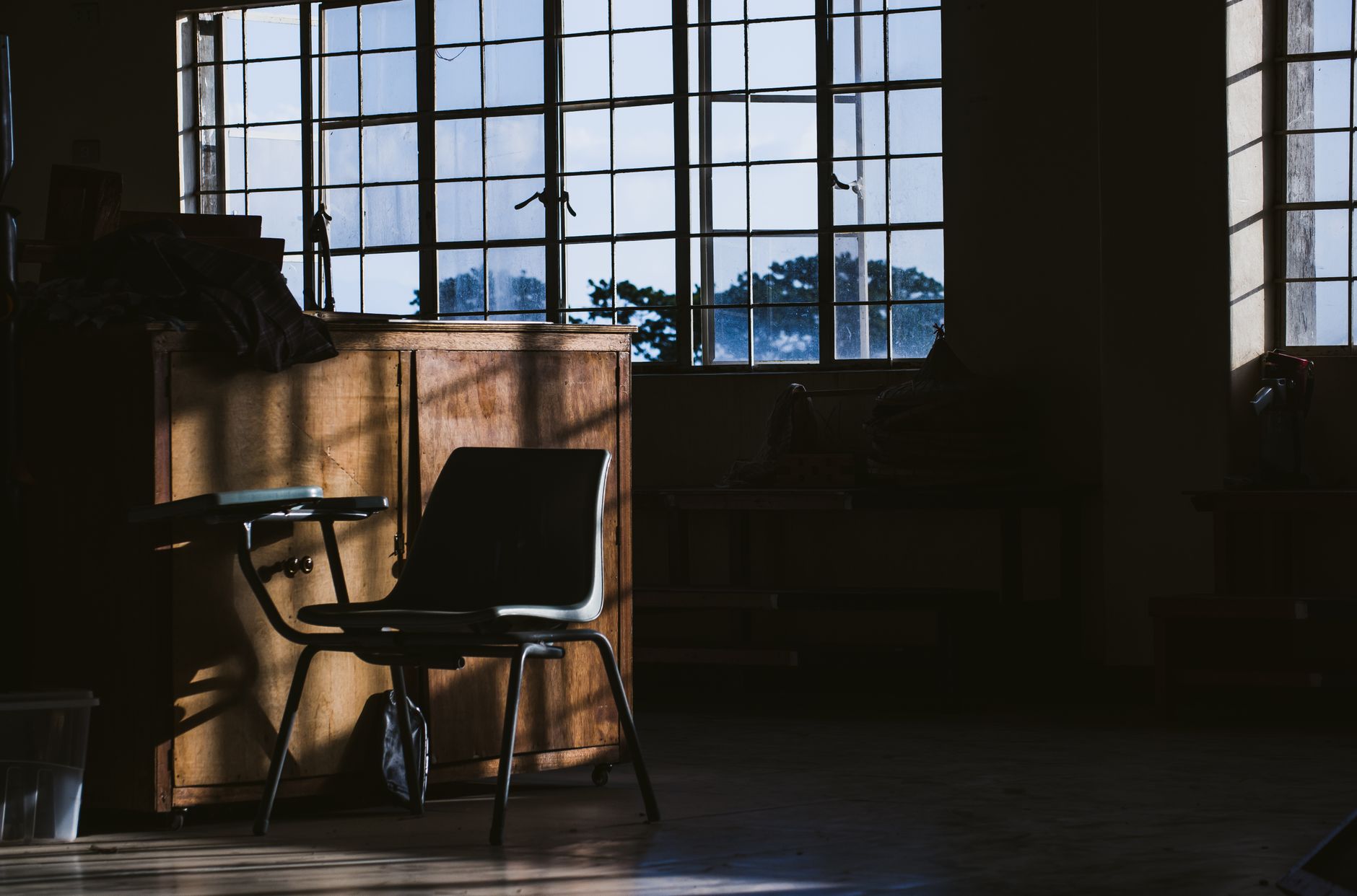
Then there is a different kind of sitting, one I choose before I am wrecked, where I pick the chair, settle into it, and let my body go slack on purpose. That sitting gives something back almost every time. Same chair, sometimes even the same ten minutes on the clock, and the outcome is nothing alike. It took me a long time to understand why, because from the outside they look identical. A person, sitting, not moving.
The difference is in the timing, not the chair
Collapsing happens after the tank is already empty. By the time I drop onto the couch because I truly cannot stand anymore, my body has been running on reserves for a while, probably longer than I noticed. The stillness that follows is not restorative rest, it is closer to damage control. My body is not recovering so much as trying to stop the bleeding, so to speak. The tiredness underneath does not lift with ten minutes of sitting like that. It needs hours, sometimes a full night, to actually settle.
Choosing to sit down before I am wrecked is a different transaction entirely. My body still has something left when I sit, and that something can actually be redirected into recovery instead of being spent just holding me upright through the next task. Ten minutes of chosen stillness at two in the afternoon does more for me than ten minutes of collapse at six, even though the collapse often comes after a much longer stretch of work.
What my body does differently
When I sit down on purpose, I notice the moment. My shoulders drop first, an actual physical release I can feel happen, like something letting go of a rope. My breathing changes on its own, goes slower and deeper without me telling it to. There is a warmth that spreads through my hands after a minute or two, which I only noticed once I started paying attention, since cold hands seem to go along with the tense, braced state I am in most of a busy day.
Collapsing does not include any of that. My shoulders stay up. My breathing stays shallow and a little fast, like my body has not gotten the memo that the running is over. My hands often stay cold the whole time I am sitting there. The stillness is only in my limbs. Whatever machinery kept me moving all day is apparently still turning somewhere underneath, even with my body parked on the couch.
Rest is not just the absence of motion. Something in the body has to actually be told, and believe, that it is safe to stand down. Collapsing skips that part entirely.
Why choosing it matters so much
I used to think this was all in my head, that telling myself I was choosing to rest was just a story layered on top of the same physical act. I do not think that anymore. Choosing the sit-down seems to change something concrete, maybe because deciding to stop is itself a small signal to the rest of the body that the demand has ended, rather than the demand simply outlasting my ability to keep meeting it.
There is also the matter of posture, which I did not expect to matter as much as it does. When I collapse, I tend to fold forward, elbows on knees, head down, chest compressed. That position keeps my breathing shallow almost mechanically, regardless of how tired or relaxed I feel. When I sit down on purpose, I tend to lean back, let my head rest against something, open my chest. The posture itself seems to invite the deeper breathing rather than the other way around.
Building in the chosen version before the collapse arrives
The real trick, and it took me embarrassingly long to act on this, is noticing the early signs of running low well before the collapse point and sitting down then, deliberately, instead of waiting. My early sign is a specific kind of restlessness, an inability to focus on one thing for more than a minute, paired with a slight heaviness behind my eyes. That used to be my cue to push through with another cup of coffee. Now it is my cue to sit down for ten minutes on purpose, often before I even feel like I need it.
The ten minutes does not need a ritual. I sit somewhere with back support, let my hands go loose in my lap, let my eyes close or go unfocused, and just wait it out without reaching for my phone or a task. What I am doing, as far as I can tell, is choosing the stop before my body forces it. That choice seems to be the entire difference between rest that works and stillness that does not.
What it feels like when it works
After a chosen sit, I stand up lighter. Not energized in a caffeinated way, just lighter, like something I had been carrying got set down for a minute. After a collapse, standing up feels like more effort than it should, my legs a little unsteady, my head foggy in a way that a short sit should not cause. The body seems to know the difference even when my schedule does not want to admit it does.
If the exhaustion that leads to collapsing is a daily pattern rather than an occasional bad day, that is worth raising with a doctor, since ordinary tiredness and something more persistent can look similar from the outside. But for the everyday kind of running too far, the fix has turned out to be smaller than I expected. Sit down before you have to, not after.