This article may contain affiliate links. If you buy through them, Everyday Vitality Life may earn a small commission at no extra cost to you. Learn more.
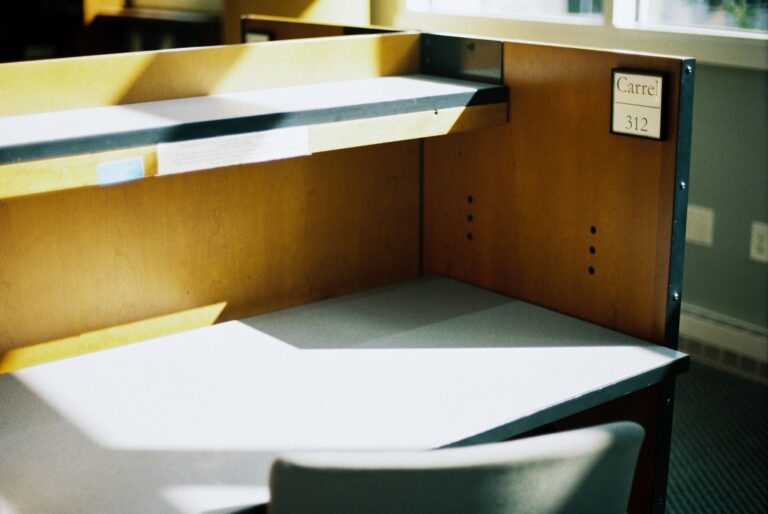
My desk sits along a window that faces west, which means the light in my apartment does something specific every afternoon. Around midday it is flat and even, filling the whole room without much personality. Then somewhere after one, it starts to lean. Shadows stretch a little longer across the floor. The white wall opposite the window shifts from a plain, bright white to something with a faint yellow cast, almost like the room is being lit by a weaker bulb even though nothing about the bulb has changed.
I noticed, purely by accident, that my own energy seems to track this shift almost exactly. Not after it. Alongside it, sometimes even a few minutes ahead of it, like my body has some private sense of where the sun is that has nothing to do with looking at a clock.
What the room looks like when the dip starts
The clearest sign is the wall across from my desk. When it goes from crisp white to that soft yellow-gray, I can predict within ten minutes that my focus is about to soften along with it. The edges of things in the room seem less defined, though I know objectively nothing has changed about my eyesight. It is more that I stop looking closely at anything. My gaze goes a little unfocused, resting somewhere in the middle distance instead of on the screen in front of me.
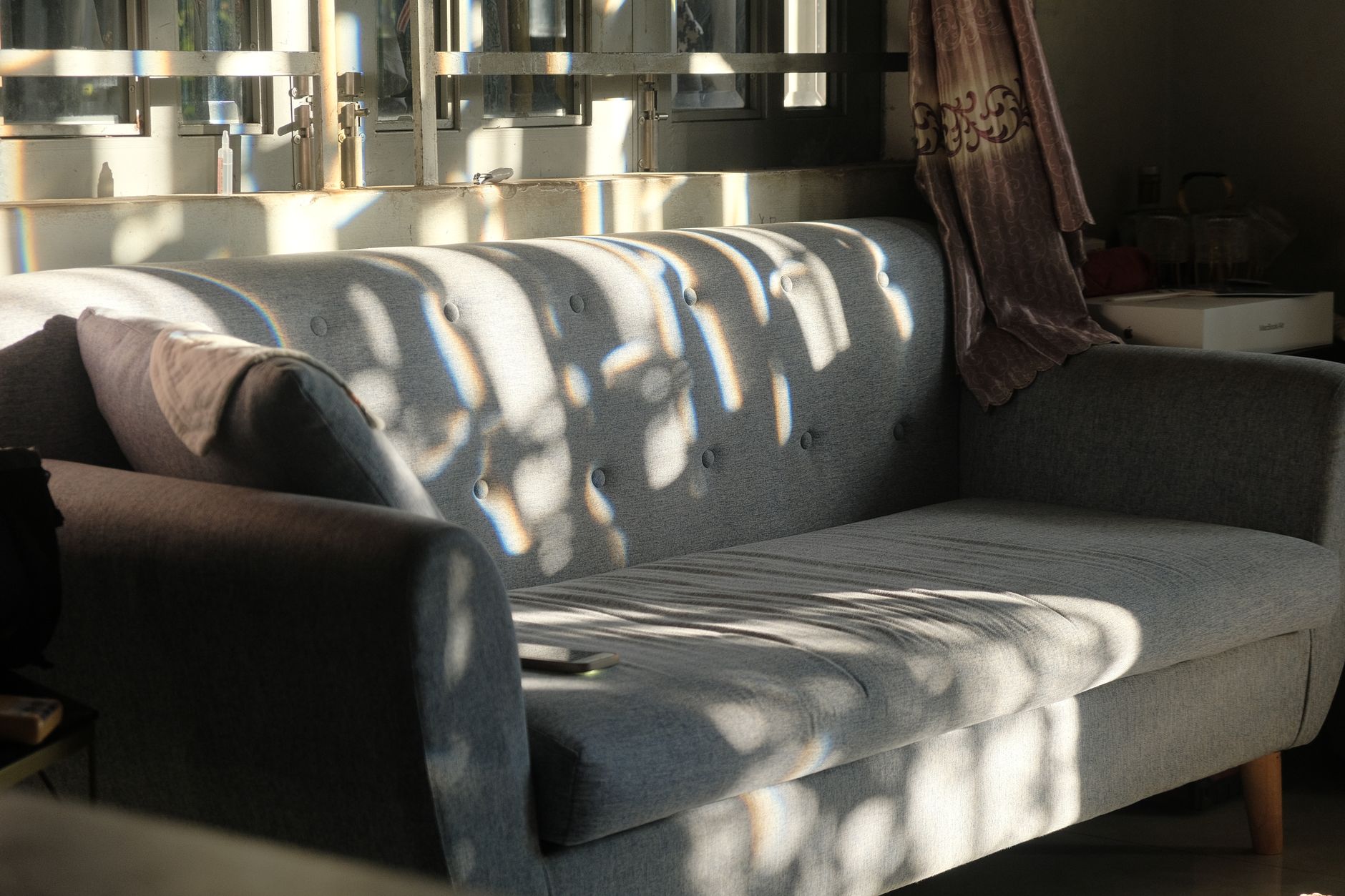
There is a particular quality to afternoon light that photographers apparently call the golden hour when it happens near sunset, all warm and forgiving. What I get in the early afternoon is a paler cousin of that, not gold so much as a diluted amber, and it seems to have a similarly soporific effect on me even though it is hours away from evening.
The room dims before the day does, and I dim right along with it.
Sound gets involved too
It is not only the light. Around the same time, the sounds from the street outside seem to change in character, though I suspect this has more to do with my own ears than with the actual street. Cars sound farther away. The specific clatter of dishes from the kitchen next door softens into something almost muffled. I do not think the world is actually getting quieter in the early afternoon. I think I am simply listening to it less sharply, the same way my eyes are looking at the wall less sharply.
My own voice changes too, if I am on a call during this stretch. It drops a little in pitch and slows down, and I have had more than one person ask, gently, if I am feeling alright, purely from the sound of two sentences.
What I have started doing with the light
- Moving my chair a few feet closer to the window when the dip arrives, so the fading light hits my face directly instead of falling across the desk behind me
- Turning on a lamp before the room actually needs one, since waiting until it is properly dim seems to let the mood sink further than if I catch it early
- Stepping outside for even two or three minutes, since actual daylight, even the paler afternoon kind, does more for my alertness than any indoor bulb
- Noticing the color of the wall as a kind of check-in, the way someone else might glance at a clock
Why this feels different from being tired
What strikes me most is that this does not feel like ordinary tiredness, the kind that comes from a short night of sleep. It feels tied to something outside of me, something environmental, in a way that plain fatigue does not. On a cloudy day, I have noticed the dip can start earlier and feel deeper, as if the muted light outside pulls my own brightness down with it before the usual hour even arrives. On a very sunny day, sitting near the window sometimes pushes the dip back by twenty minutes or so, though it never cancels it outright.
I am careful not to overstate this. I am not a scientist and I have not run any kind of controlled experiment on myself. All I have is years of sitting at the same desk by the same window, noticing that the wall changes color and I change along with it. It might be coincidence, or habit, or some quieter rhythm that has nothing to do with light at all and just happens to line up with it by chance.
But noticing it has been useful regardless of the explanation. Now, when the wall starts to shift toward that pale amber, I do not wait for the fog to fully settle before I do anything about it. I stand, I open the blinds a little wider, I step outside if I can. Small moves, none of them dramatic, all of them made a little easier because I caught the signal early instead of waiting for my own mind to admit what the room had already been telling me. If your afternoons have a similar rhythm, it might be worth watching the light in your own space rather than only watching the clock. And if the fatigue you feel is severe or persistent regardless of what you try, that is worth raising with a doctor rather than working around on your own.