This article may contain affiliate links. If you buy through them, Everyday Vitality Life may earn a small commission at no extra cost to you. Learn more.
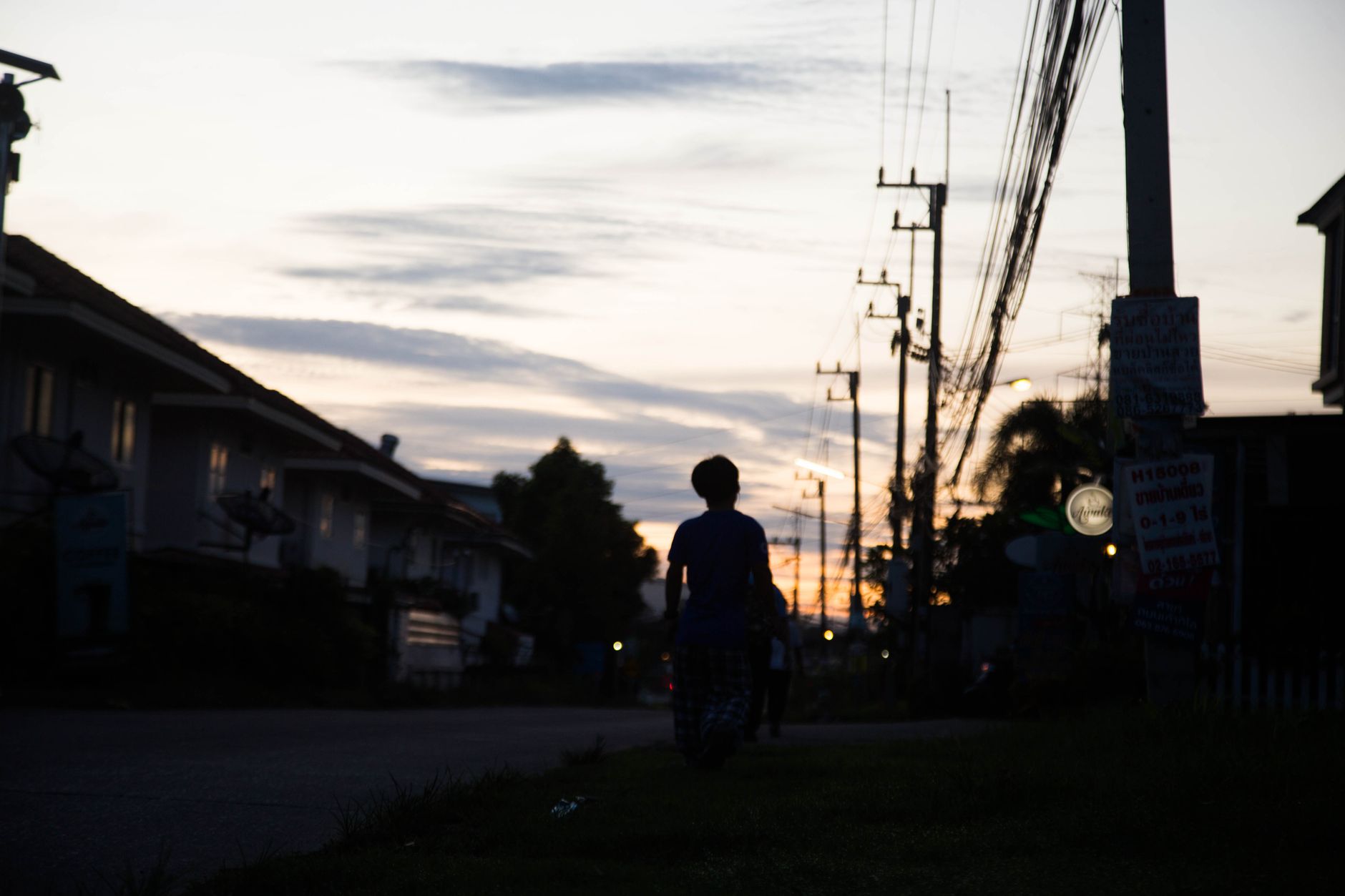
There are two ways to get from the office to my apartment. The direct one takes about eighteen minutes and cuts through a parking garage and past a stretch of chain-link fence that nobody has ever bothered to plant anything along. The other way adds twenty minutes, curves past a row of houses with actual front porches, and crosses a small park where the maple trees have started dropping the first of their leaves. I take the long way more often than I used to, and the difference in how my legs feel by the time I get home has become impossible to ignore.
On the short route, my legs arrive tired in a flat, uninteresting way. Calves tight, feet a little sore from the pavement, nothing remarkable about any of it. On the long route, something else happens. Somewhere around the fifteen-minute mark, my stride opens up. My hips stop feeling locked and start swinging more freely with each step, and my calves shift from tight to warm, which is a different sensation entirely, looser, almost loose enough to forget they are there.
The park does something the sidewalk cannot
Walking through the park changes the terrain under my feet just enough to matter. The path dips slightly near the pond, and there is a stretch where old tree roots have pushed up through the asphalt, cracking it into small ridges. My ankles have to work harder there, correcting for the uneven ground, and I notice muscles along the outside of my shin waking up that never get used on flat concrete. It is a small thing, but by the time I am past that stretch, my feet feel more awake than they did at the start, more present in each step.
There is a bench near the pond where an older man feeds the ducks most evenings, and I sometimes slow down without meaning to, just to watch for a minute. My legs seem to like the pause as much as the movement. Standing there, weight shifting slowly from one foot to the other, I can feel blood moving through my calves in a way that is almost ticklish, a kind of low hum that only shows up after they have been working for a while.
By the time I reach my street, my legs feel used in the good sense of the word, worked rather than worn down.
The difference in my feet specifically
My feet are where I notice the contrast most clearly. On the short route, they ache in the arches by the end, a dull complaint that follows me up the stairs to my apartment and lingers while I make dinner. On the long route, the ache is there too, but it arrives later and feels different, more like the honest fatigue of having done something than the strain of having endured something. I have started to think of it as the difference between a foot that has been standing and a foot that has been moving.
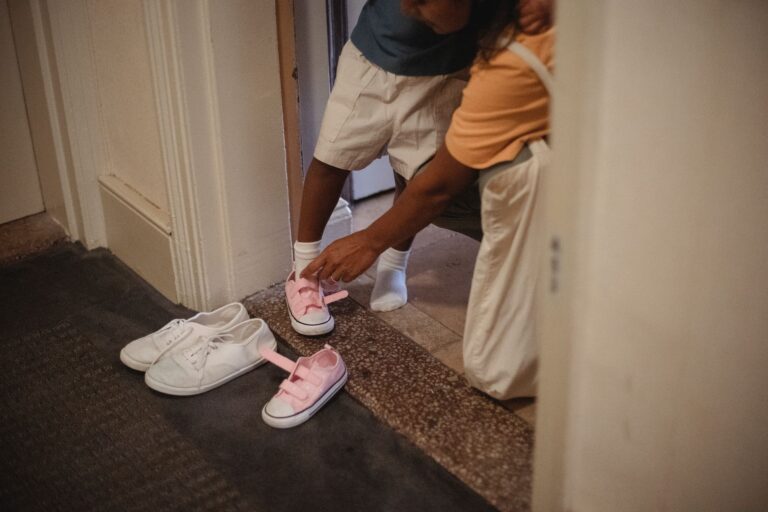
Socks off at the door is its own small ritual after the long walk. The imprint of the sock elastic sits pink across my ankle for a minute, and my toes spread wide against the cool floor, grateful, it seems, to be free of the shoes. There is a particular relief in that moment that the short route never earns in the same way, maybe because the legs have not worked hard enough to deserve the release.
What happens above the knee
The muscles across the front of my thighs tighten on the incline near the park’s east entrance, a gentle slope that most people probably do not notice as a slope at all. I feel it there every time, a low burn that fades within a block but leaves behind a kind of alertness in my legs that carries me the rest of the way home. It is not soreness exactly. It is closer to the feeling of a muscle remembering it has a job to do.
My hips loosen the most of anywhere on my body during that walk. By the time I reach the last stretch of sidewalk before my building, they swing with an ease that was nowhere present when I left the office, where sitting for hours had locked them into a narrower, more cautious range. Climbing the stairs to my third floor apartment afterward feels almost easy, none of the stiff hitch in my step that shows up on days I skip the walk entirely and just drive.
- Uneven ground near the pond wakes up parts of my ankles and shins that flat sidewalk never touches
- The ache in my feet arrives later and feels more earned than the ache from the short, flat route
- My hips loosen the most of any part of my body by the end of the long way home
- Climbing my stairs afterward feels easier, not harder, than it does on days I take the car
Why I do not always take the long way
I am not always in the mood for it. Some evenings my legs are already heavy before I leave the office, and adding twenty minutes feels like asking too much of them. On those days the short route home is the right choice, and there is no shame in it. The long way is not a rule I hold myself to. It is more like an option I reach for when my legs seem to be asking for something more than a straight line from one place to another.
What keeps me coming back to it is not any goal or number, just the way my body feels different at the end of it, looser through the hips, warmer through the calves, feet tired in a way that feels like use rather than complaint. If my legs ever ached in a way that did not ease with rest, or the discomfort felt sharp rather than warm, that would be a reason to see a doctor rather than keep walking through it. But on ordinary evenings, the long way home has become less about the destination and more about giving my legs something worth feeling by the time I get there.