This article may contain affiliate links. If you buy through them, Everyday Vitality Life may earn a small commission at no extra cost to you. Learn more.
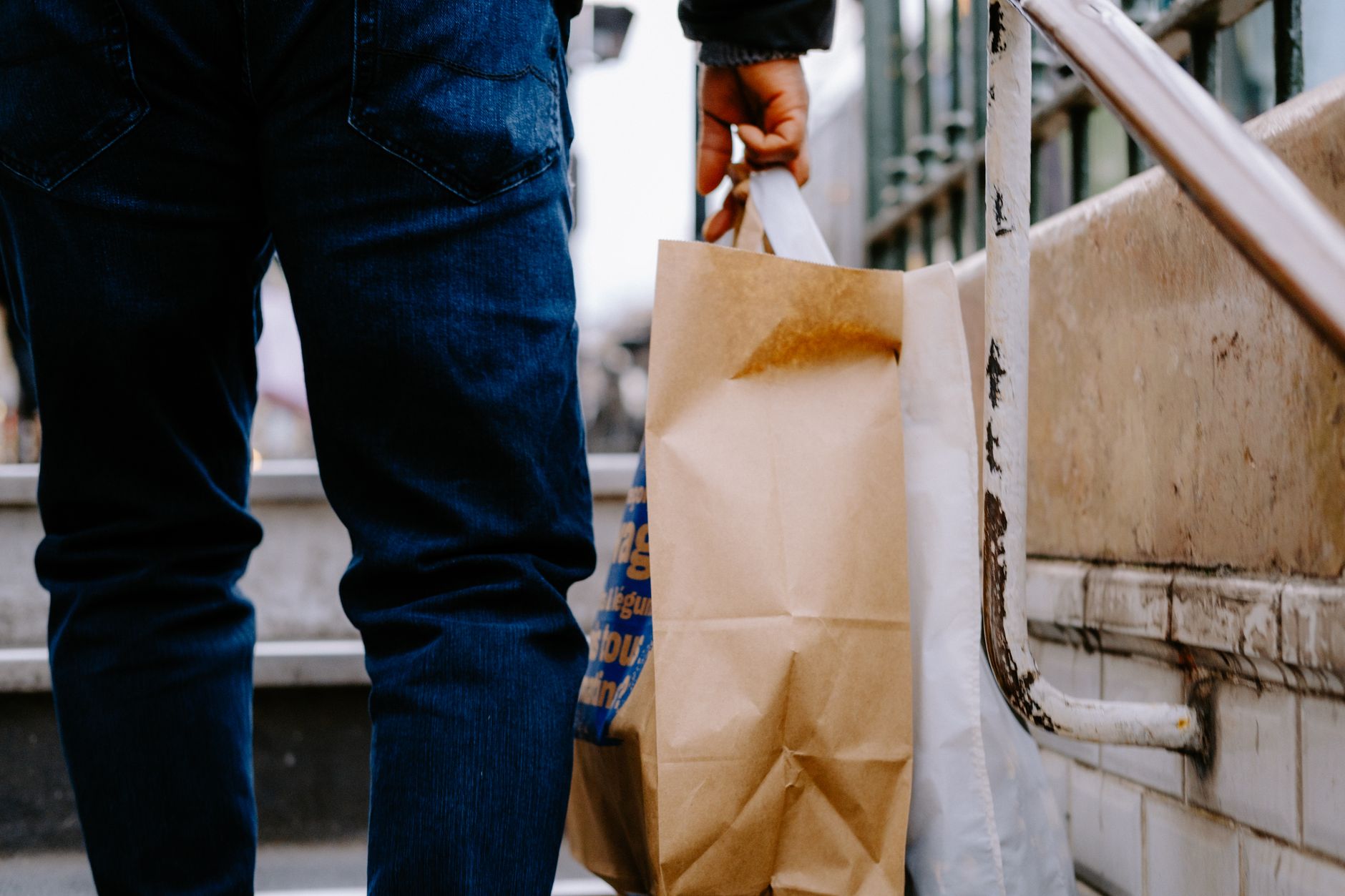
My building has no elevator, and the grocery store is four blocks away, close enough to walk but far enough that a real week of shopping means real weight in both hands by the time I am climbing to the third floor. The bags cut thin lines into my fingers by the second flight, and my forearms start to burn in a way that has nothing to do with the distance walked to get there and everything to do with the stairs themselves. I used to dread this part of the errand. Lately I have started noticing it instead, the specific way my body responds to carrying weight upward rather than just walking with it.
The first flight is easy, almost deceptively so. My legs barely register the incline, and the bags feel like an afterthought hanging from my hands. It is the second flight where things change. My thighs start to work in a way they were not on flat ground, a slow building heat across the front of them, and my breath, which had been even the whole walk home, starts to catch a little higher in my chest. By the third flight, my shoulders have joined in, aching from holding the bag handles steady against the sway of my steps.
What the weight does that walking alone does not
Carrying something heavy up stairs recruits parts of my body that an unweighted walk leaves alone entirely. My grip is the most obvious one. The plastic handles dig into the pads of my fingers, and by the top I usually have to shake my hands out, fingers spreading wide to let blood back into the tips, a strange tingling relief that only comes after they have been clenched for a few minutes straight. My forearms feel it too, a tightness that runs from wrist to elbow, different from the looser fatigue in my legs.
My core tightens without my telling it to, bracing against the sway of the bags as I climb, and I notice this most clearly on the landing between the second and third floors, where I pause for a breath and feel my stomach muscles still holding, still working even though my legs have stopped moving for a moment. It surprised me the first time I paid attention to it, how much of carrying something heavy is really about the middle of the body holding everything steady rather than the arms doing all the work.
By the top landing, I am breathing like I climbed twice as far as I actually did, which tells me something about how much the weight changes the effort.
The way down is a completely different feeling
Walking back down the same stairs empty-handed a few days later, to take out the trash or grab mail, feels almost like floating by comparison. My legs move with none of the effort the climb up demanded, and I notice how much lighter my whole body feels without anything pulling my arms down at my sides. It is a useful reminder of how much the bags change the experience, because the stairs themselves have not changed at all between the two trips.
Setting the bags down inside my apartment door produces its own small wave of relief, shoulders dropping immediately, arms swinging loose at my sides for a moment before I bend to unpack. There is a brief window right after I set the bags down where my whole upper body feels unusually light, almost buoyant, as though it had forgotten what it was like to move without resistance and was relearning it in real time.
Splitting the weight changes everything
I learned eventually to split the groceries evenly between both hands rather than carrying more in one bag than the other, and the difference in how my body feels afterward is significant. One heavy bag on one side leaves my shoulder on that side aching and slightly higher than the other for the rest of the evening, a lopsided tightness that takes a while to even back out. Two evenly weighted bags, one in each hand, spread the effort more fairly, and I notice far less asymmetry in how my shoulders feel once I am finally sitting down.
The stairs themselves have become a kind of measure for me, an honest report on how my body is doing that week. Weeks when I have been sitting more than usual, the climb feels harder than it should for the amount of weight I am carrying, thighs burning sooner, breath catching higher. Weeks when I have been walking more, the same bags feel lighter somehow, the stairs less of an event, more just a few flights I climb without much thought.
- My grip and forearms register the weight first, before my legs even start to notice the incline
- My core braces to hold the bags steady, work I never notice on an unweighted walk
- Splitting weight evenly between both hands prevents the lopsided shoulder ache that one heavy bag causes
- How hard the climb feels has become a rough, honest measure of how much I have been moving that week
An errand that doubles as something else
I do not think of the grocery climb as exercise, not in any formal sense. There is no plan behind it, no attempt to make it harder or easier on purpose. It is just an ordinary errand that happens to ask something real of my body, and paying attention to what it asks has made the climb feel less like a chore and more like a small, honest exchange, effort given, and afterward, a body that feels used rather than just tired.
If the stairs ever left me with pain that lingered well past the climb itself, rather than the ordinary burn that fades within minutes of setting the bags down, that would be worth mentioning to a doctor rather than continuing to carry heavy loads up three flights. But on an ordinary week, the walk to the store and the climb back up with full bags has become one of the more reliable ways I notice my own body working, arms and legs and core all quietly doing their part without my having to ask.