This article may contain affiliate links. If you buy through them, Everyday Vitality Life may earn a small commission at no extra cost to you. Learn more.
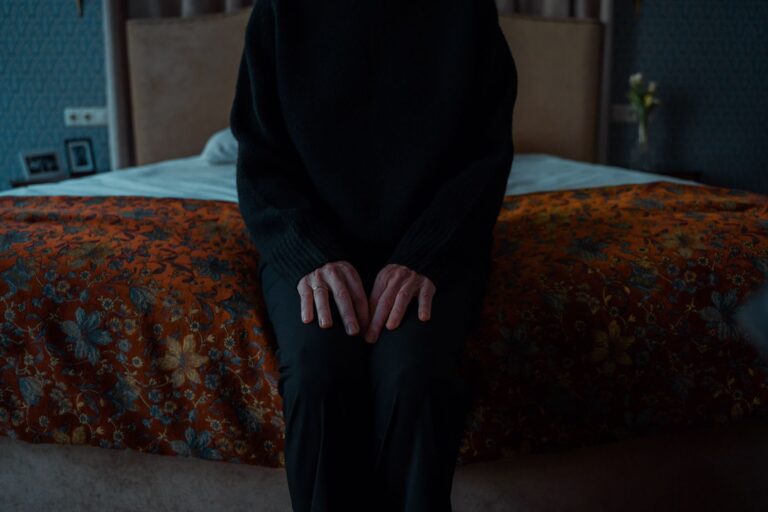
The cold that hits when you first stand up out of bed is not the same as any other cold. It is not the cold of walking outside in winter, which you can brace for and dress against. It is a cold made almost entirely by contrast, the gap between the warmth your body built up overnight under blankets and whatever temperature the rest of the room happens to be. Even in a house that is not particularly cold, that first standing moment can feel sharp, almost startling, like the air is doing something to you rather than simply existing around you.
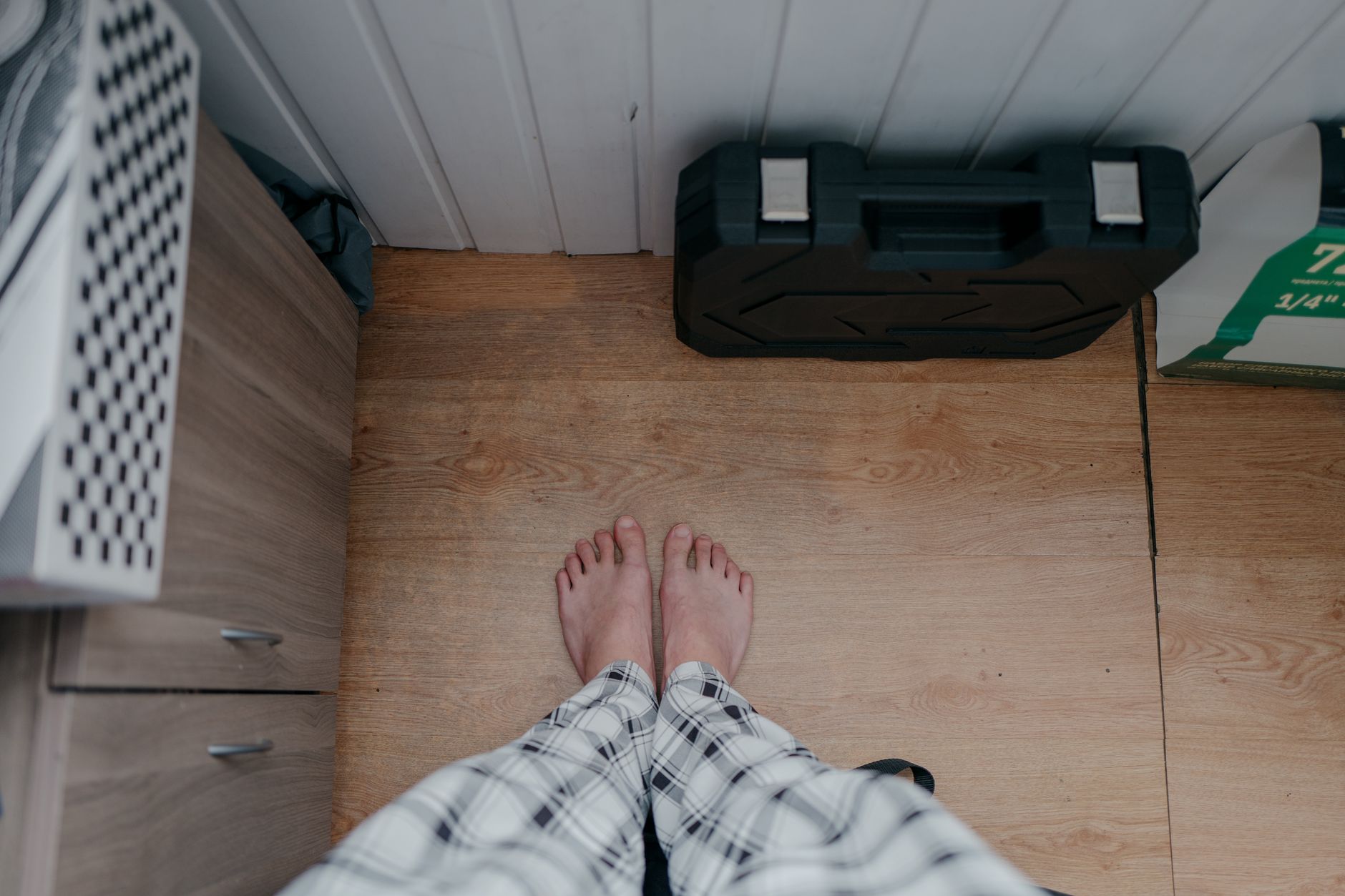
I noticed this most clearly one January when the floor in my apartment was old hardwood with almost no insulation underneath it. Getting out of bed meant stepping directly onto boards that had been sitting all night with nothing warm near them, and the shock of that first footfall traveled up through the sole of the foot in a way that seemed to wake up more of the body than the alarm had managed on its own. It was not pleasant, exactly, but it was undeniably effective. Within a few seconds of standing, I was more alert than I had been lying in bed for the previous ten minutes combined.
Contrast does something an alarm cannot
An alarm is a sound. It asks the body to respond, but it does not itself contain any information about the physical world the body is about to enter. The cold of standing up is different. It is not a request, it is a fact, delivered directly to the skin, and the body seems to respond to it with a kind of immediacy that a beeping phone on the nightstand never quite manages. I think this is part of why some mornings feel like they truly start the moment my feet hit the floor, rather than at whatever earlier point the alarm went off and I spent ten minutes lying there only partially convinced.
There is a specific quality to this cold that depends on where it touches first. Feet on a cold floor is one kind of wake-up, sharp and localized, mostly below the ankle. Arms pulled out from under a blanket into open air is another kind, spread wider across more skin but somehow gentler, less of a jolt. Face exposed to a cold room while the rest of the body is still under covers is yet another, a kind of cold that arrives before you have even decided to get up, announcing itself early and giving you a preview of what standing will feel like.
What a warm floor changes
On mornings when the floor happened to be warm, from a radiator running underneath or sun already hitting the boards, getting up felt like an entirely different act.
I lived for a while in a building with radiant heat running under the bathroom tile, and the difference between that floor and the hardwood in the bedroom was enormous. Stepping from a cold bedroom floor onto a warm bathroom floor felt almost like cheating, like I had found a shortcut around the part of the morning that was supposed to be difficult. I noticed I lingered less in bed on those mornings, not because I had more willpower but because there was less to brace against. The cold that usually served as the final push out of bed simply was not there in the same way, and getting up became a smaller decision instead of a larger one.
This makes me think the cold itself is doing some of the work that we usually credit to discipline. On a warm floor, there is nothing forcing the issue, and getting up becomes purely a matter of choice, which turns out to be harder than it sounds when the alternative, staying under a warm blanket, has no real cost attached to it. On a cold floor, the body makes part of the decision for you, because staying under the blanket delays an unpleasant contrast that is coming either way, and eventually the delay itself becomes its own kind of discomfort.
Socks left by the bed, a small trick that is not really a trick
At some point I started leaving a pair of socks folded on the nightstand, not as a strategy so much as an accident that turned into a habit. Putting them on before standing up changes the whole experience of that first cold contact. The feet, which would otherwise take the sharpest hit, are already covered, and the cold that reaches the rest of the body through open air feels milder by comparison, more like a general chill than a specific shock. It is such a small thing that I am almost embarrassed to mention it, but it has made enough of a difference on cold mornings that I keep doing it, winter after winter.
What I like about this small habit is that it does not try to eliminate the cold, only to change where it lands first. The room is still the same temperature. The floor is still just as cold as it was the day before. All that changes is which part of the body meets that cold first and how much surface area is exposed to it in that opening second. It seems like a minor adjustment, and it is, but minor adjustments to something that happens every single morning add up to something larger over the course of a season than they would if they only happened once.
Why this particular discomfort might be useful
I do not think discomfort in the morning is something to chase for its own sake, and I want to be careful not to turn a small observation about cold floors into some larger claim about toughness or willpower. But there is something worth noticing in the fact that this specific, brief discomfort seems to do real work that nothing else in the morning quite replicates. It marks a clear boundary between the night and the day, a boundary the body can feel rather than just know intellectually from looking at a clock. Whatever the temperature of your own floor happens to be, that first standing moment carries information, and it seems worth noticing rather than rushing past on the way to the coffee maker.